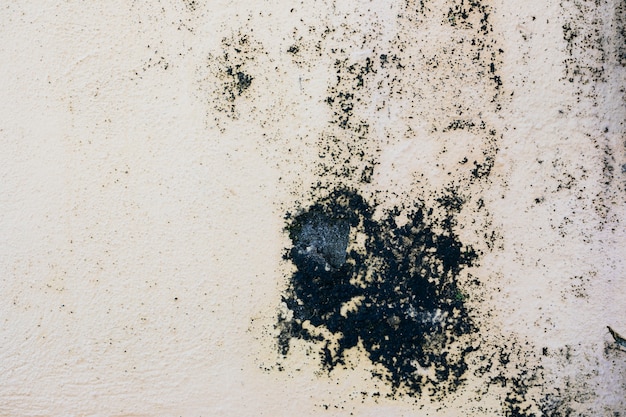
Efficient Attic Mold Abatement Cost and Treatment Options
Mold growth in attics is a common issue faced by homeowners, often resulting from moisture buildup or poor ventilation. While mold can significantly impact the structural integrity of a home, it also poses health risks to those living within. Tackling attic mold requires a comprehensive understanding of the abatement process and associated costs. This article explores efficient attic mold abatement cost and treatment options, providing insights into how homeowners can address this challenge effectively.
Understanding Mold Abatement in Attics
Mold abatement in attics involves identifying, removing, and preventing mold growth. The process typically starts with a thorough inspection to evaluate the extent of mold infestation. Following this, the appropriate removal and treatment methods are applied to eradicate the mold and prevent future occurrences.
Inspection and Assessment
The first step in mold abatement is a detailed inspection of the attic to determine the type and extent of mold present. This assessment helps in selecting the most effective treatment methods. Professional inspectors use specialized tools to measure moisture levels and identify potential sources of water intrusion.
Removal and Treatment Options
There are several strategies for removing mold from attics, each varying in cost and effectiveness. Some common methods include:
- Surface Cleaning: For minor mold infestations, surface cleaning with mold-killing solutions can be effective. This method involves scrubbing moldy areas with specialized cleaners and is usually the most cost-effective option.
- HEPA Vacuuming: High-Efficiency Particulate Air (HEPA) vacuuming is used to remove mold spores from surfaces and the air. This method is often combined with other treatments to ensure thorough removal.
- Encapsulation: This involves applying a sealant to mold-affected areas to prevent spores from becoming airborne. Encapsulation is used when complete removal is impractical or cost-prohibitive.
- Structural Repairs: In severe cases, mold abatement may require repairing or replacing damaged structural components, such as insulation, drywall, or wooden beams.
Explore further insights here about treatment options for mold removal.
Cost of Mold Abatement
The cost of mold abatement in attics varies based on several factors, including the size of the affected area, the type of mold, and the severity of the infestation. Here are some considerations that impact the overall cost:
- Extent of Infestation: Larger infestations require more resources and time to address, increasing overall costs.
- Type of Mold: Certain types of mold are more challenging to remove and may require specialized treatments, affecting the cost.
- Access and Complexity: Difficult-to-access areas or complex roof designs can complicate the abatement process, leading to higher costs.
- Preventive Measures: Implementing measures to prevent future mold growth, such as improving ventilation or installing vapor barriers, can add to the total cost but are crucial for long-term mold management.
For a detailed breakdown of mold removal costs and factors affecting them, learn more in this detailed guide.
Preventing Future Mold Growth
Preventing mold in attics is as important as addressing existing infestations. By taking proactive steps, homeowners can reduce the risk of mold returning. Effective preventive measures include:
- Improving Ventilation: Ensure that the attic is well-ventilated to prevent moisture buildup, a primary cause of mold growth.
- Controlling Humidity: Use dehumidifiers to maintain optimal humidity levels, especially in regions prone to high moisture.
- Regular Inspections: Conduct routine checks for signs of water leaks or mold growth, allowing for early intervention.
- Sealing Leaks: Identify and repair any leaks in the roof or attic to prevent water intrusion.
Find additional information here on how to prevent mold growth in your attic.
Conclusion
Mold abatement in attics is a crucial process that protects both the structural integrity of a home and the health of its occupants. By understanding the costs and treatment options available, homeowners can make informed decisions on how best to address and prevent mold issues. For more comprehensive information on mold removal, read more about this topic.